
Industry Insights
Why Home Backup Power Is Becoming a Bigger Part of Everyday Energy Planning

June 4, 2026
Share:
Share:
Electricity is no longer just about lights, refrigerators, and basic appliances.
Modern homes now depend on Wi-Fi routers, laptops, phones, security cameras, battery-powered tools, medical devices, smart home systems, and remote work equipment. When the power goes out, even for a short time, daily life can stop quickly.
This is one reason home backup power is becoming more important.
At the same time, electricity demand is rising again after years of slower growth. New commercial load, data centers, manufacturing, electric appliances, and digital infrastructure are adding more pressure to the grid. For homeowners, this does not always mean they need a large whole-home backup system. But it does mean many families are starting to think more seriously about how to keep essential devices running during an outage.
That is where portable power stations and solar generators are becoming more relevant.
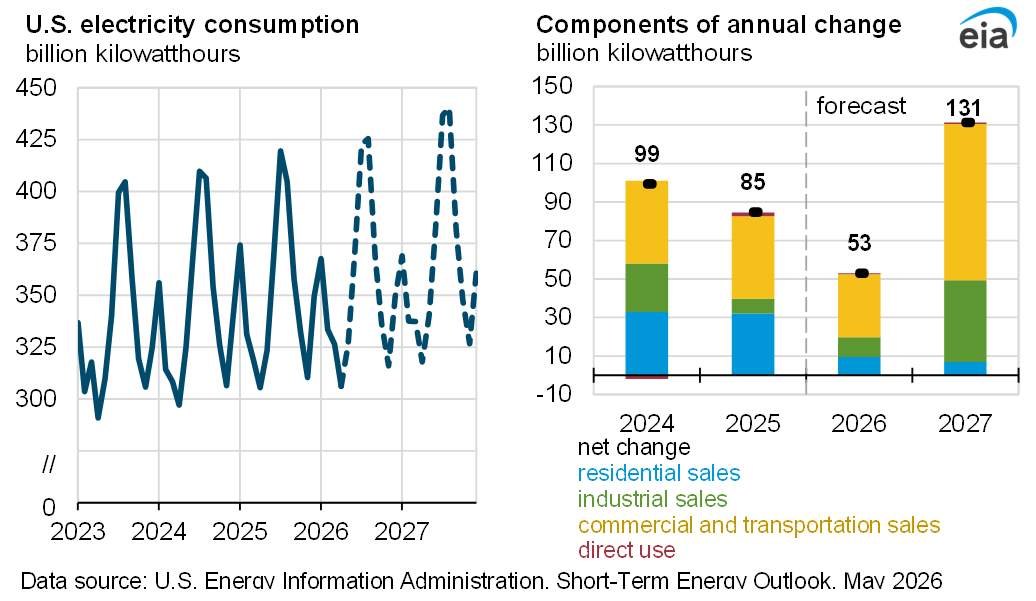
The U.S. Energy Information Administration expects electricity use to keep growing in the coming years. This matters because higher electricity demand can put more pressure on grid planning, reliability, and energy supply.
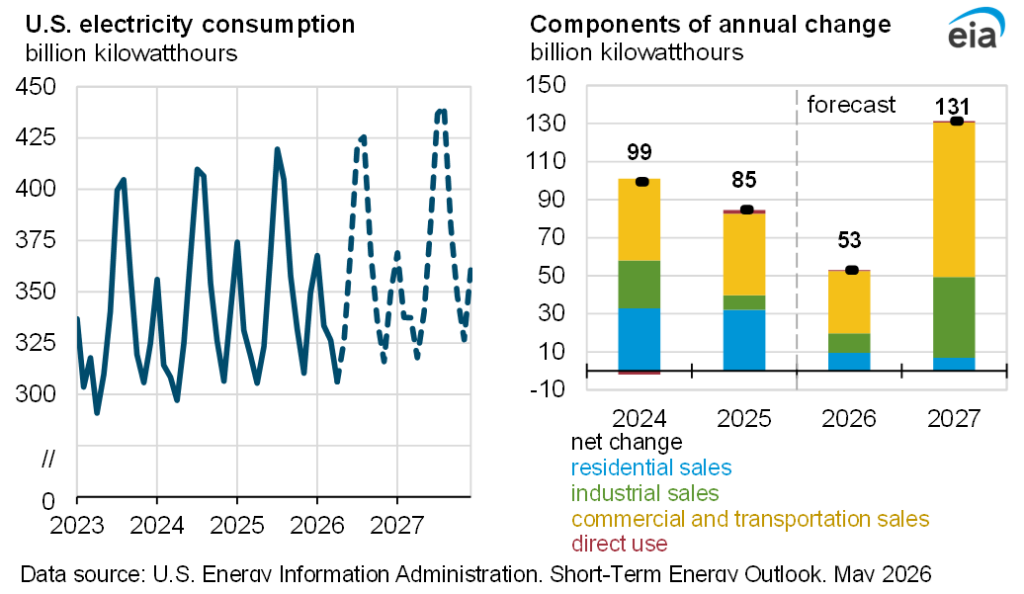
A major part of this trend comes from commercial electricity growth, including data centers and digital infrastructure. As more services move online and artificial intelligence increases computing demand, electricity is becoming a more important part of the broader economy.
For everyday households, the impact is simple: reliable power matters more than ever.
People do not only use electricity for comfort. They use it for work, communication, safety, food storage, and emergency response. When the grid is under pressure, backup power becomes less of a luxury and more of a practical planning tool.
In the past, many people thought about backup power only during hurricanes, winter storms, wildfires, or long blackouts.
That is changing.
Today, even a short power outage can create real problems. A home office can lose internet access. A refrigerator can stop running. Phones and laptops may lose charge. Security systems can go offline. Families may lose lighting, communication, or access to important medical devices.
This is why more consumers are looking for simple backup power options that are easier to use than traditional gas generators.
Portable power stations are part of that shift. They are rechargeable battery systems designed to store electricity and power essential devices when needed. Many models can support phones, laptops, lights, routers, small appliances, fans, cameras, and other everyday equipment.
For many households, the goal is not to power everything. The goal is to keep the most important things running.
Portable power stations were once mainly seen as outdoor gear.
They were used for camping, RV travel, fishing trips, overlanding, and off-grid weekends. Those use cases are still important, but the market is expanding.
More buyers now look at portable power stations for home backup, emergency preparedness, remote work, small business use, and solar charging. This makes the category much broader than before.
A portable power station can be useful in many everyday situations:
This is why the portable power station market is growing. The product is no longer only about outdoor convenience. It is becoming part of practical energy resilience.
A solar generator usually combines a portable power station with solar panels. This gives users a way to recharge battery storage with sunlight when grid power is unavailable.
That extra layer matters.
For camping and RV users, solar charging can extend runtime outdoors. For homeowners, it can provide more flexibility during longer outages. For emergency preparedness, it gives people another way to recharge essential devices without relying only on wall outlets or fuel.
Solar charging is not always fast enough to power everything continuously. Weather, panel size, sunlight conditions, and battery capacity all matter. But for many users, even partial solar charging can make a real difference during off-grid or emergency situations.
This is one reason solar-compatible portable power stations are becoming more visible in the home backup market.
Many buyers are not only comparing technical specifications. They are trying to answer practical questions.
How many watt-hours do I need?
Can it power my refrigerator?
How long can it run a router or laptop?
Can I recharge it with solar panels?
Is it safe to use indoors?
Is it quieter than a gas generator?
Can I move it easily around the house or take it outdoors?
These questions show where the industry is going.
Consumers want backup power that is understandable, portable, and practical. They want products that fit real-life situations, not just technical charts. Brands that can explain capacity, output, runtime, charging methods, and use cases clearly will have a stronger advantage.
Education is becoming part of the product.
The growth of home backup power is not only a short-term trend. It reflects a larger change in how people think about energy.
Electricity is now deeply connected to work, safety, communication, and daily routines. As demand rises and households depend on more powered devices, consumers are looking for more control over their essential energy needs.
For the portable power station industry, this creates a clear opportunity.
The market is not just selling batteries. It is helping people prepare for outages, work outdoors, travel more comfortably, and build more flexible energy setups at home.
Portable power stations and solar generators sit between two worlds: outdoor power and home backup power. That position makes them especially useful for modern consumers who want one solution that can serve multiple scenarios.
Home backup power is becoming a normal part of everyday energy planning.
As electricity demand grows and households rely on more connected devices, portable power stations and solar generators are becoming more practical for homes, outdoor users, RV owners, and emergency preparedness.
The most important shift is not only about battery capacity or solar panels. It is about peace of mind.
People want to know that when the power goes out, they still have a way to keep essential devices running. That is why portable backup power is becoming a larger part of the modern energy conversation.