Industry Insights
Portable Power Stations Are Quietly Becoming Part of the Home Energy System
July 4, 2026
Share:
Share:
For years, portable power stations were treated as something you only think about when the lights go out or when you’re heading off-grid for a weekend.
That framing is starting to feel outdated.
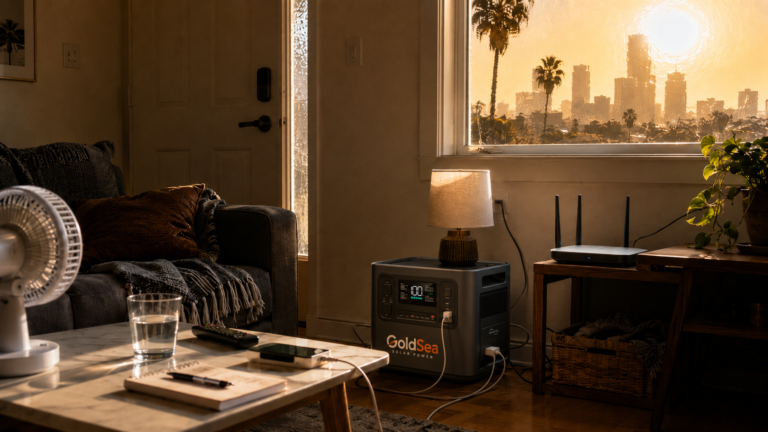
In more households, especially in regions with unstable grids or rising electricity costs, these devices are no longer sitting in storage waiting for emergencies. They’re beginning to act as a secondary layer of household power—something that quietly steps in when the grid becomes expensive or unreliable.
The shift isn’t being driven by a single breakthrough. It’s a combination of slow but steady changes.
Electricity prices have become less predictable in some markets. Grid reliability issues are being discussed more often, especially during peak demand periods or extreme weather events. At the same time, battery technology has improved in a way that actually matters for everyday use, not just technical specs. LiFePO₄ chemistry, in particular, has made longer lifecycle and safer operation the new baseline rather than a premium feature.
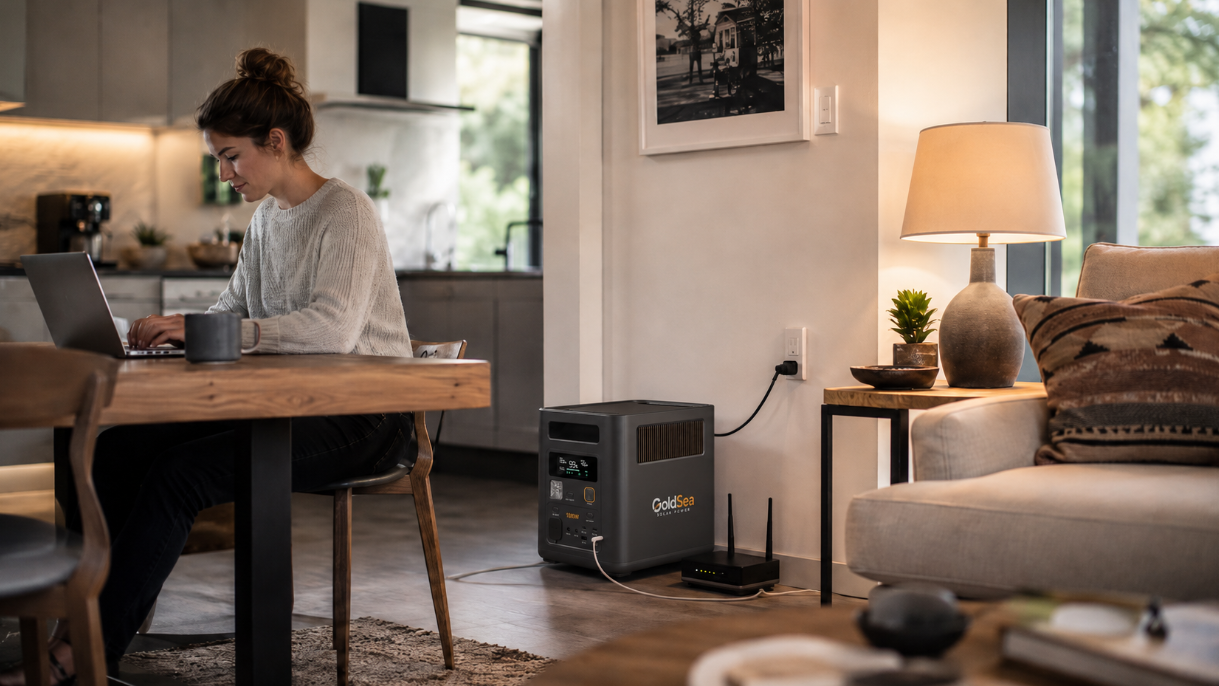
That’s why systems in the 2000Wh to 3600Wh range are starting to feel more practical than theoretical. They are no longer just “backup units.” In real-world scenarios, they can keep essential loads running—refrigerators, routers, basic lighting, and small appliances—long enough to smooth over short disruptions or avoid peak pricing windows.
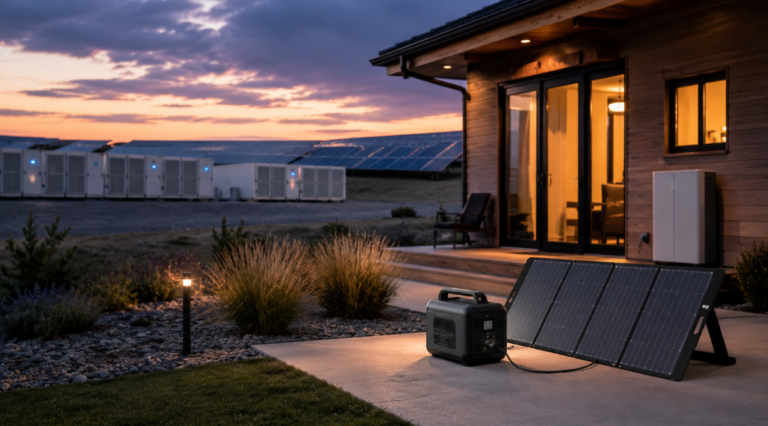
At the product level, another shift is becoming visible: modularity. Instead of fixed-capacity devices, manufacturers are increasingly offering expandable systems. Additional batteries, stackable units, and ecosystem-based designs are changing how people think about ownership. It’s less about buying a single device and more about building a flexible energy setup over time.
Pricing also plays a quieter but important role. Seasonal discounts and retail cycles are lowering the psychological barrier to entry. What once felt like a high-cost, niche purchase is slowly moving into the category of “reasonable household investment.”
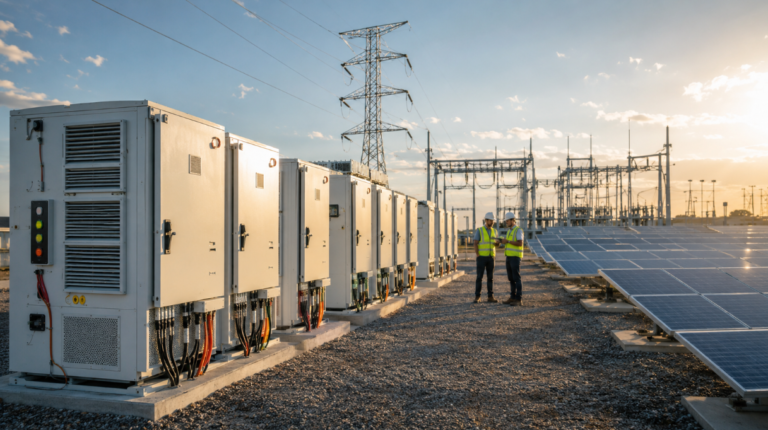
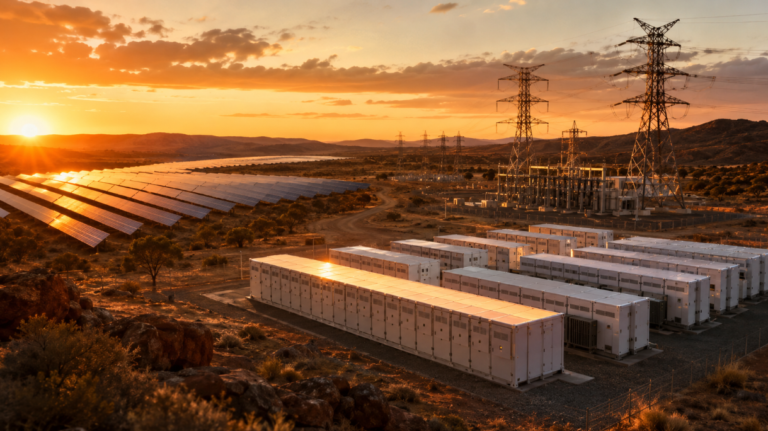
Taken together, these changes are pushing portable power stations into a different category altogether—not as emergency gadgets, but as part of a distributed, household-level energy strategy.
And for most consumers, the real question is no longer whether these systems are useful in theory, but where they actually fit into everyday life.